fire evacuation procedures for office buildings
Category: Office/Workplace
Date: Sunday, 21 December 2025
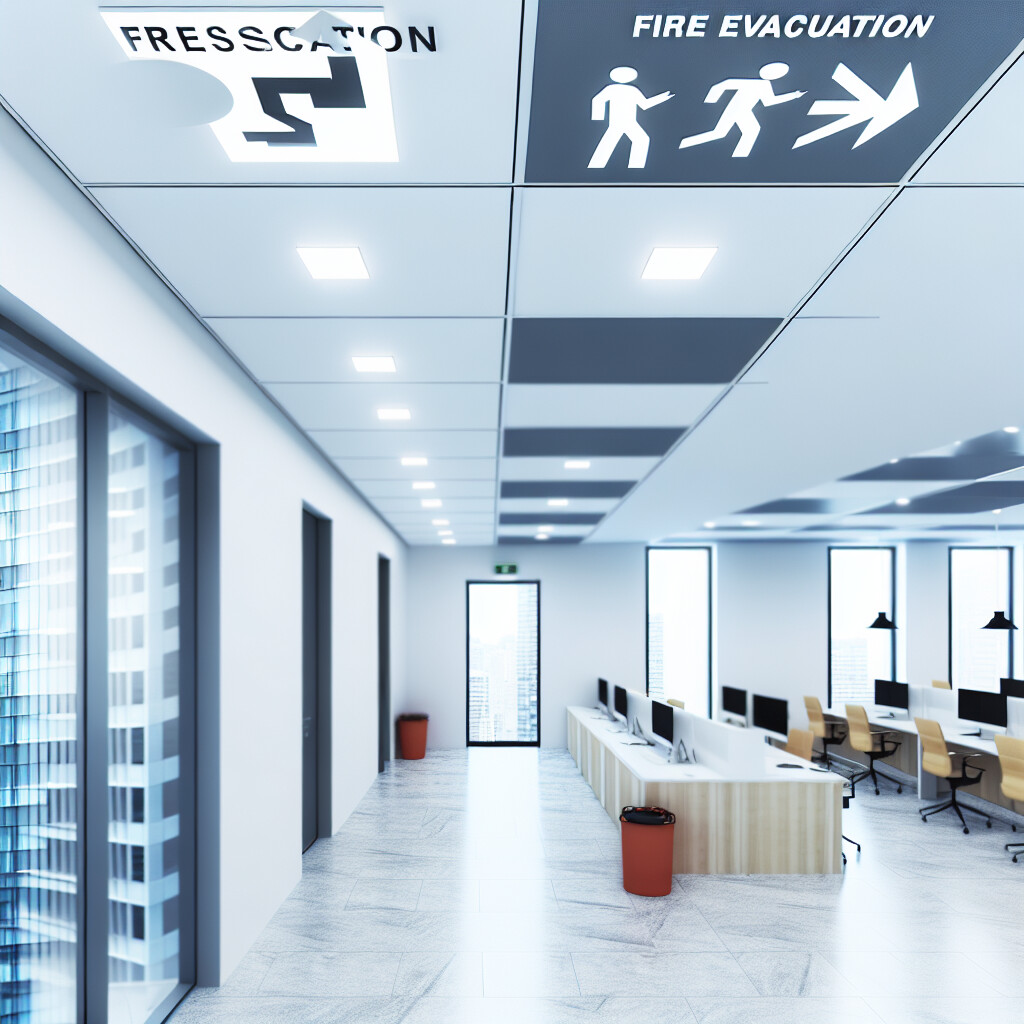
Introduction:
Office fires can be catastrophic with potential for loss of life, property and business disruption. Understanding the risks and having a well-planned and practiced evacuation procedure can make the difference between chaos and a calm, orderly safe exit.
Hazards:
The primary hazards during a fire include smoke inhalation, burns, structural collapse and panic leading to stampedes. Fires can rapidly prod in offices due to faulty equipment, improper disposal of smoking materials, cluttered workspaces that provide fuel for the fire and blocked pathways preventing evacuation.
Examples:
An example of a dangerous incident is the XYZ office fire in 2010. Employees were unaware of safe pathways and fire assembly zones, leading to pandemonium during evacuation. Three employees sustained minor injuries.
Risk Assessment:
Fire risk in an office can be assessed through regular inspections, checking for potential ignition sources, examining the storage and safety procedures of combustible materials and ensuring exits are visibly marked and free from obstruction.
Controls:
Implementing fire safety measures such as smoke detectors, sprinkler systems and fire extinguishers can help control a fire. Regular evacuation drills ensure that all staff know exactly what to do and where to go in case of fire.
Best Practices:
Best practices include: knowing the location of the nearest exit, not using elevators during a fire, crawling if smoke fills the room and going to the designated assembly area after exiting the building. Slowly touch office doors before opening. If it’s hot, use an alternate route.
Conclusion:
Regularly participate in drills, so you’re mentally prepared. Stay calm but act swiftly during a fire emergency. Remember, material possessions can be replaced but not lives.
This SafeTalk was automatically generated by HazRep AI. Share your thoughts and experiences in the comments below!