working at heights safety
Category: Onsite & Fieldwork
Date: Saturday, 20 December 2025
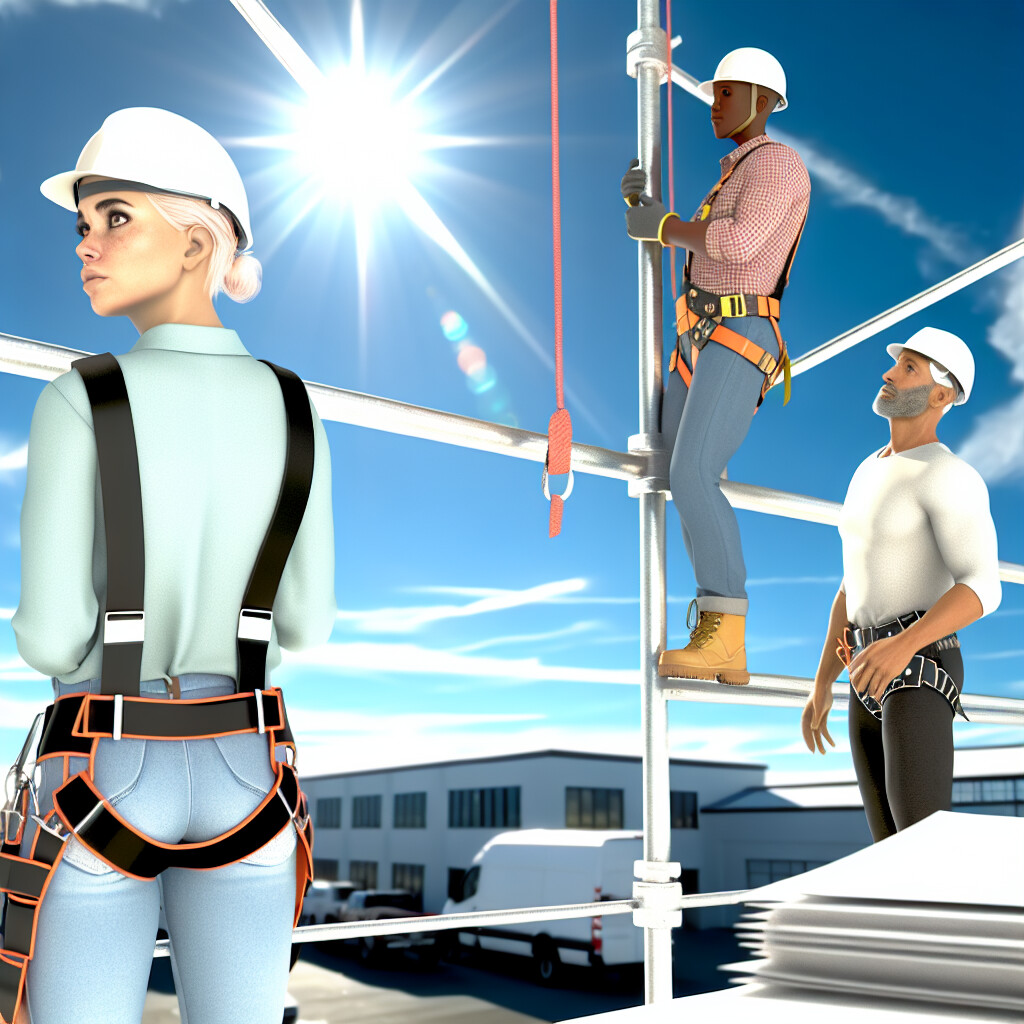
Introduction:
Working at heights can be dangerous, and accidents can result in serious injuries or even death. However, with correct safety measures, these risks can be minimized.
Hazards:
Some hazards include: falling from an elevated position, accidents due to unstable scaffolds, and injury from falling objects.
Examples:
For instance, a worker fails to secure a tool, which then falls, causing injury to a colleague below. Likewise, working on a fragile surface without safety precautions can result in a serious fall.
Risk Assessment:
Before working at height, it’s crucial to perform a risk assessment. Identify all possible hazards and decide on precautionary measures to counteract them.
Controls:
These may include the use of safety harnesses, guardrails, or other fall prevention systems, and ensuring the use of hard hats in areas where falling objects pose a risk.
Best Practices:
Include properly maintaining and inspecting all equipment, using appropriate safety gear, following all safety procedures, and ongoing safety training.
Conclusion:
Working at heights doesn’t have to be risky. By consistently applying these safety measures, we can ensure everyone’s safety on the job site.
This SafeTalk was automatically generated by HazRep AI. Share your thoughts and experiences in the comments below!